CLIMATE Q&A
-
CLIMATE® Adhesive is a high-performance structural adhesive system designed to increase building strength, resilience, and survivability against extreme weather and seismic events.
Unlike traditional construction methods, CLIMATE bonds assemblies into a continuous, energy-absorbing structure. -
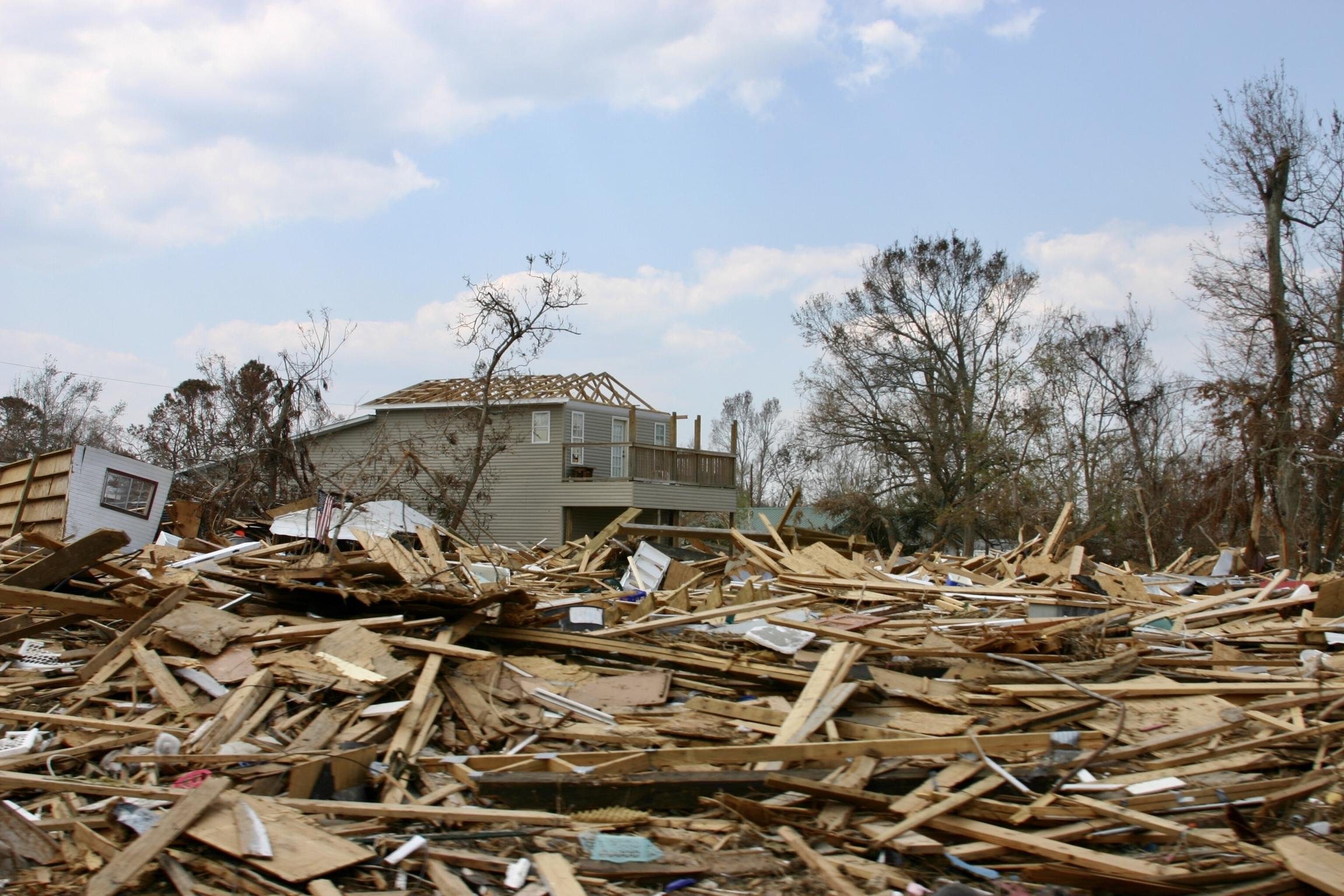
CLIMATE® solves the problem of structural failure caused by movement, fatigue, and weak connections.
Most buildings fail at joints — CLIMATE reinforces those joints so the structure moves together instead of tearing apart. -
CLIMATE® NS dramatically strengthens the bond between framing and sheathing, creating a unified structural system.
It reduces nail fatigue, limits movement, and significantly improves performance in hurricanes and earthquakes. -
CLIMATE® Adhesives can increase structural performance by 200–300% compared to fasteners alone.
They maintain strength while remaining flexible, allowing buildings to absorb force instead of cracking. -
Fasteners hold — CLIMATE® bonds.
CLIMATE® distributes loads across entire assemblies, reduces stress concentration, and prevents progressive failure during extreme events. -
No — CLIMATE® works with mechanical fasteners to dramatically improve performance.
Together, they create stronger, safer, and more resilient structures than either method alone. -
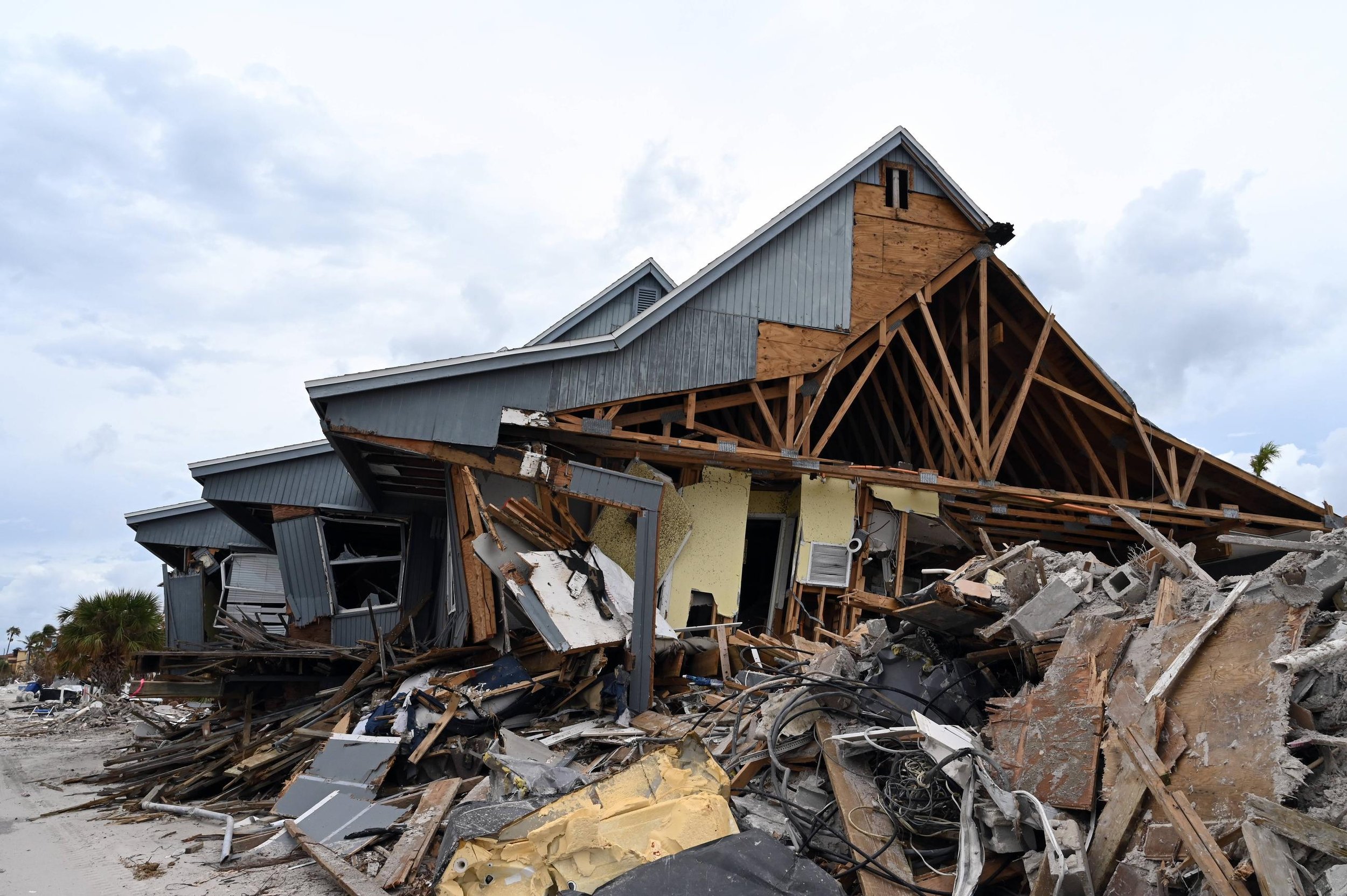
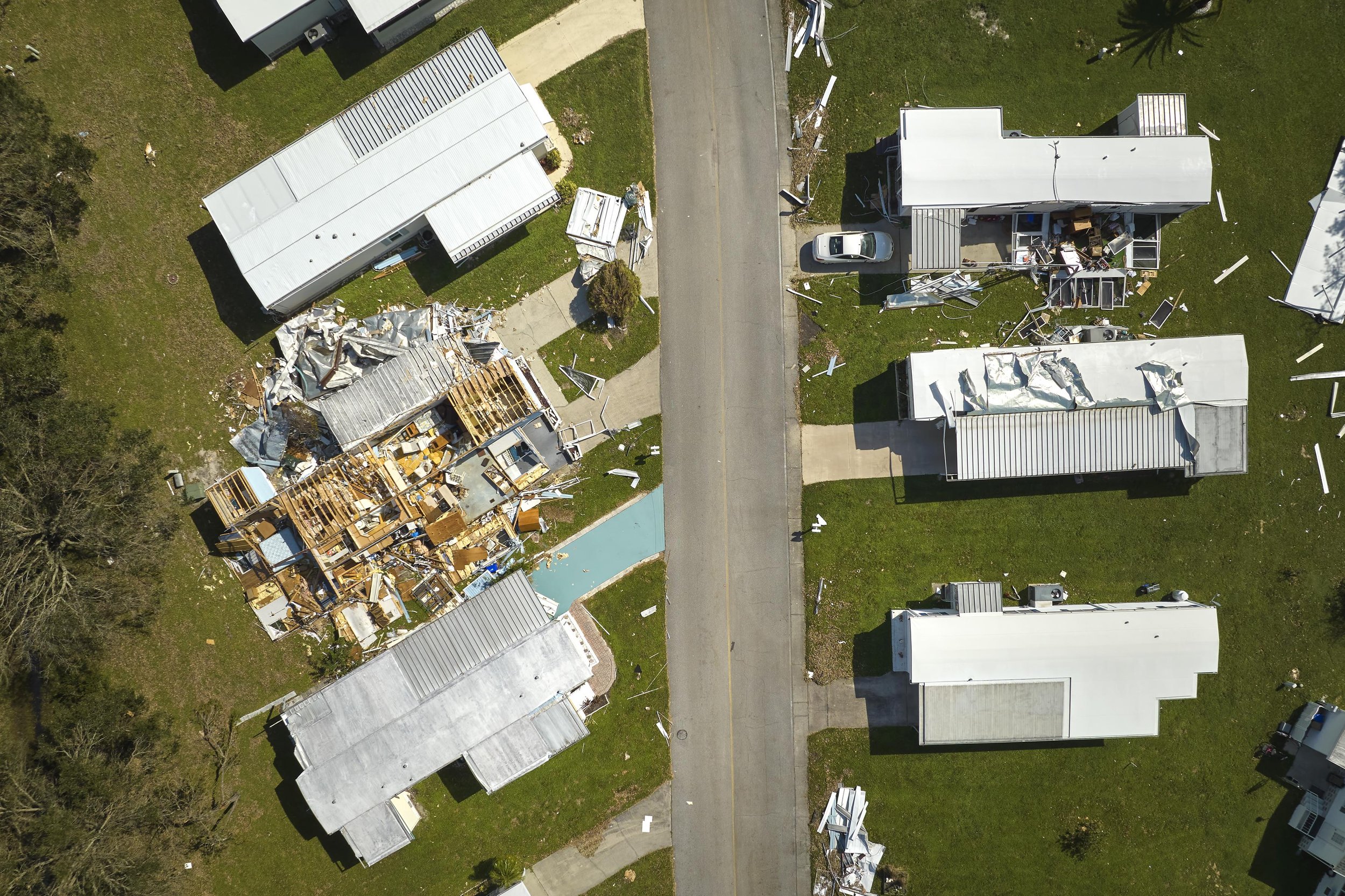
CLIMATE® strengthens the connections that hurricanes attack first.
By reinforcing roof decks, wall assemblies, and load paths, CLIMATE helps structures resist uplift, racking, and separation. -
Survivability means a building remains standing, intact, and repairable after extreme events.
It prioritizes occupant safety, reduced damage, and faster recovery — not just minimum code compliance. -
CLIMATE® allows structures to flex, absorb energy, and stay connected under stress.
This prevents sudden failures and reduces the likelihood of catastrophic collapse. -
CLIMATE® aligns directly with fortified construction principles by reinforcing critical connections.
It enhances wind resistance, seismic performance, and overall durability of the building envelope. -
Yes. Stronger, more resilient buildings present lower risk to insurers.
CLIMATE® supports prevention-based construction that can qualify for fortified programs and insurance incentives. -
CLIMATE® can help open doors to fortified home programs, preferred coverage, and risk-based incentives.
Insurers increasingly value materials that reduce loss severity — CLIMATE directly supports that goal. -
CLIMATE® is designed to meet or exceed applicable construction and performance standards.
It complements existing codes while providing performance beyond minimum requirements. -
Yes. CLIMATE® is engineered to remain flexible, durable, and effective for the life of the structure.
It resists cracking, shrinking, and brittleness even with temperature swings and movement. -
CLIMATE® absorbs movement instead of transferring it to weak points.
This protects fasteners, framing members, and entire assemblies from fatigue and failure. -
Yes. CLIMATE® installs quickly using standard jobsite tools and fits seamlessly into existing workflows.
No redesigns, special labor, or complicated processes are required. -
Absolutely. CLIMATE® is effective in both new builds and structural upgrades.
It’s ideal for strengthening existing homes and improving resilience in new construction. -
CLIMATE® may add modest upfront cost but significantly reduces long-term expenses.
Fewer repairs, lower insurance risk, and reduced storm damage deliver strong ROI. -
Because repairing failure costs far more than preventing it.
CLIMATE® reduces catastrophic damage, downtime, and rebuild costs over the life of a structure. -
Because buildings should be designed to survive — not just pass code.
CLIMATE® makes structures safer, stronger, and more resilient in a world of increasingly extreme weather.